Leadership Development
Helping leaders understand themselves, their teams, and the conditions that allow people to perform under pressure.
The strongest solutions begin with understanding people, culture, goals, and context. My work is designed around collaboration rather than predetermined programs, because lasting performance improvements are never one-size-fits-all.
Every organization has different strengths, challenges, cultures, constraints, and goals. There is no universal framework that fits every setting.
Before any approach is developed, I spend time understanding the people, the history, the pressures, and the possibilities. The quality of what comes later depends on the quality of that initial understanding.
Interventions should follow understanding. Recommendations should emerge from the specifics of the organization, not from a template applied regardless of context.
These are not service categories. They are settings where the same underlying questions appear: how do people function under pressure, and how can organizations support them more effectively?
Helping leaders understand themselves, their teams, and the conditions that allow people to perform under pressure.
Supporting clinicians, administrators, and medical teams in building sustainable performance, culture, and decision making.
Working with coaches, athletes, and performance staff to integrate mental performance into the broader training environment.
Partnering with faculty, administrators, and research groups on education, scholarship, and applied projects.
Advising senior leaders on performance, decision making, and organizational health in high-stakes environments.
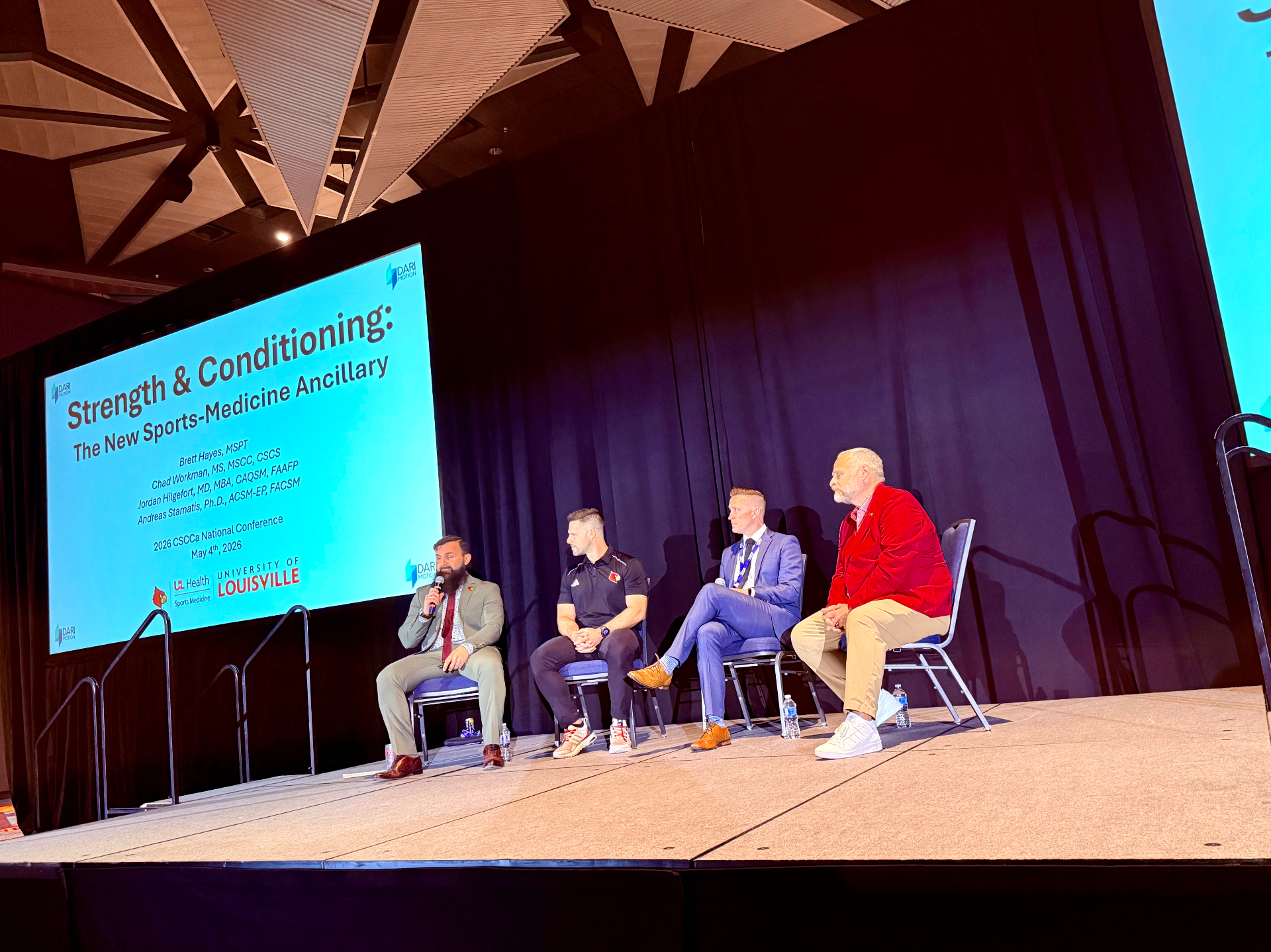
Contributing to conferences, committees, and working groups focused on advancing practice through evidence.
Helping organizations think clearly about what performance means for them and how to build it over time.
Guiding teams who are building tools for human performance, assessment, and organizational development.
Discover context, goals, strengths, challenges, and stakeholders. This phase is about asking better questions before offering answers.
Develop an evidence-informed approach appropriate for the organization. The goal is fit, not force.
Support learning, performance, and sustainable change. Implementation is treated as a continuation of the conversation, not a handoff.
Evaluate, learn, and continue improving. The best partnerships get better as they go.
The shape of each engagement depends on the organization, the question, and the timeline. These are examples of how work often unfolds, not fixed offerings.
Ongoing counsel to leaders navigating decisions where performance, people, and evidence intersect.
Talks shaped for the audience, the moment, and the questions the organization is actually asking.
Programs that help leaders think more clearly about human performance and the systems around it.
Focused studies designed to inform practice, not simply add to the literature.
Integrating physical, mental, technical, and organizational elements into a coherent system.
Working sessions where teams engage with the material and translate it into their own context.
Sustained collaborations that evolve as the organization and its people change.
I typically work with universities, hospital systems, medical schools, elite sport organizations, Olympic and national team environments, professional organizations, and executive leaders.
What connects them is not size or sector. It is a willingness to look carefully at how people perform under pressure, and a commitment to building something better once that understanding is in place.
Rather than displaying a wall of logos, I prefer to describe the kinds of organizations and people I have learned the most from. The work is richer when it is built on trust, not visibility.
Ideas and recommendations are grounded in research and tested against the realities of your organization. Assumptions are questioned before they are acted on.
The right approach depends on the people, culture, and conditions. Techniques are chosen after the situation is understood, not before.
Meaningful change rarely happens in a single event. The work is designed to build capability and understanding that outlasts any one engagement.
You bring deep knowledge of your organization. I bring frameworks, evidence, and perspective. The best work happens when both are combined.
Whether you're exploring leadership development, a keynote, applied research, organizational strategy, or simply wondering whether we're the right fit, I'd be glad to connect and learn more about your goals.