Mental Performance
How people prepare, execute, and recover under conditions of uncertainty and pressure.
My work focuses on understanding how people and organizations function under pressure, and how evidence can be translated into meaningful improvements in real-world settings.
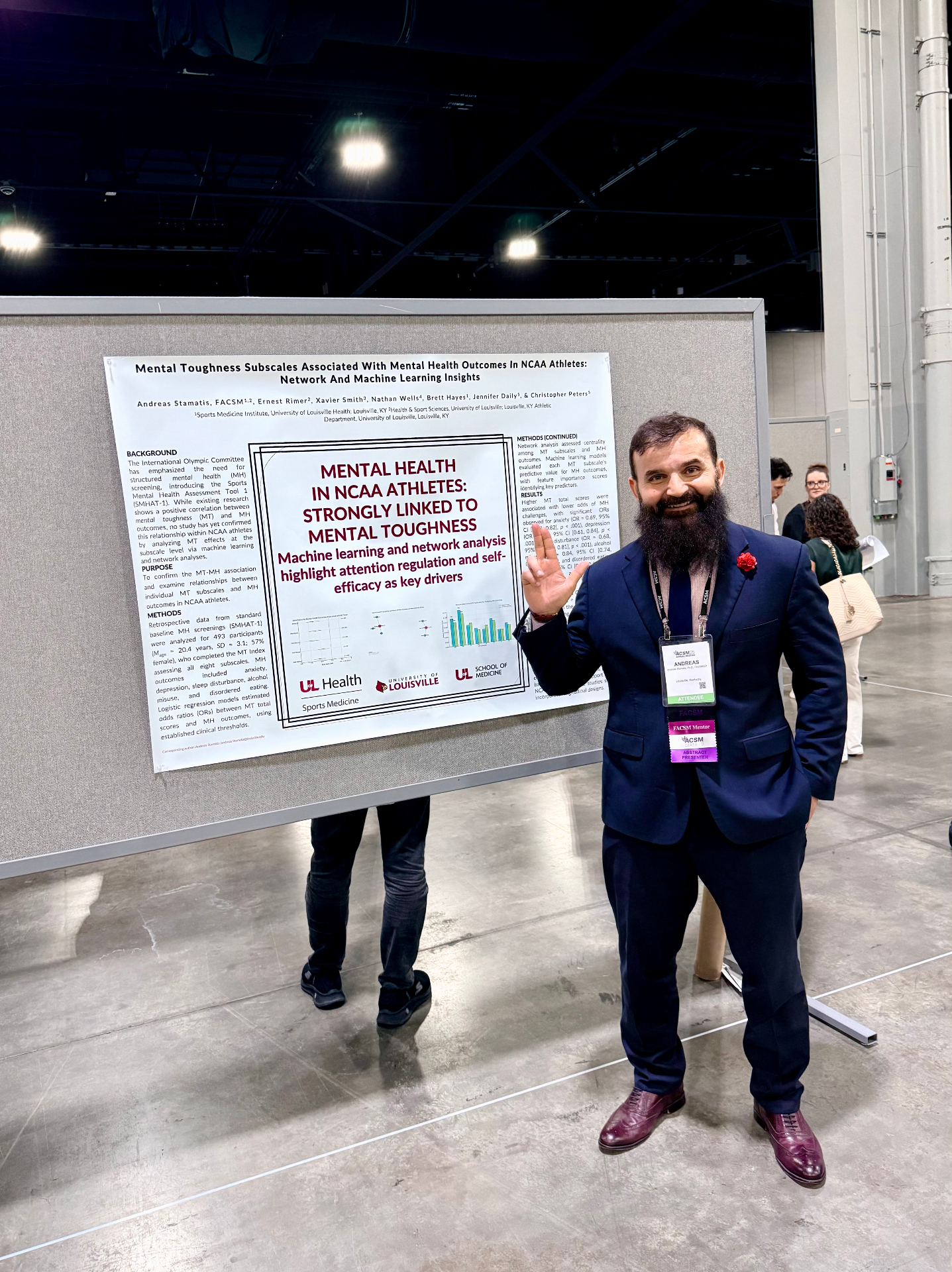
Research is most valuable when it changes what people actually do. A paper that sits behind a paywall, unread by the people who need it, may advance a career. It does not necessarily advance the field.
I am interested in scholarship that travels: work that starts with real questions, holds itself to high standards, and then finds its way into practice.
That means designing studies with application in mind, writing for clarity as well as precision, and staying in conversation with coaches, clinicians, leaders, and organizations long after the data are collected.
Evidence is most valuable when it improves practice.
These themes shape the questions I pursue and the partnerships I build. They are connected by a common interest: understanding how people function under pressure.
How people prepare, execute, and recover under conditions of uncertainty and pressure.
The qualities that allow individuals to remain purposeful, efficient, and flexible when demands increase.
How leaders make decisions, communicate, and sustain performance in high-stakes environments.
The organizational and human factors that influence care, burnout, and sustainable performance in medicine.
Bringing together physical, mental, technical, and tactical development rather than treating them as separate domains.
How emerging tools can support, and sometimes complicate, human performance and decision making.
Measuring what matters, in context, so that evaluation leads to better development rather than simply better numbers.
The process of turning findings into practices, systems, and cultures that actually improve outcomes.
Research is not a destination. It is a way of thinking that can improve how organizations prepare people, design systems, and respond to pressure.
The same underlying questions appear across very different settings. What allows people to perform well under stress? What gets in the way? How can evidence help leaders make better decisions?
Supporting coaches, staff, and athletes by integrating mental performance into the broader performance system.
Helping clinicians and healthcare organizations understand how pressure, leadership, and systems shape care and sustainability.
Translating research on decision making and resilience into practical development for executives and teams.
Designing learning experiences that connect evidence with the realities professionals face in their daily work.
Examining how tools and data can enhance, rather than replace, human judgment and development.
Building cultures and systems where evidence informs strategy, hiring, training, and long-term performance.
My current interests continue to center on a single question: what allows people and organizations to function well when pressure rises?
I am especially drawn to work that connects individual development with the systems around it: the cultures, tools, and leadership practices that make good performance possible over time.
Selected publications will be added here. The full record, including coauthors and citations, is available through Google Scholar.
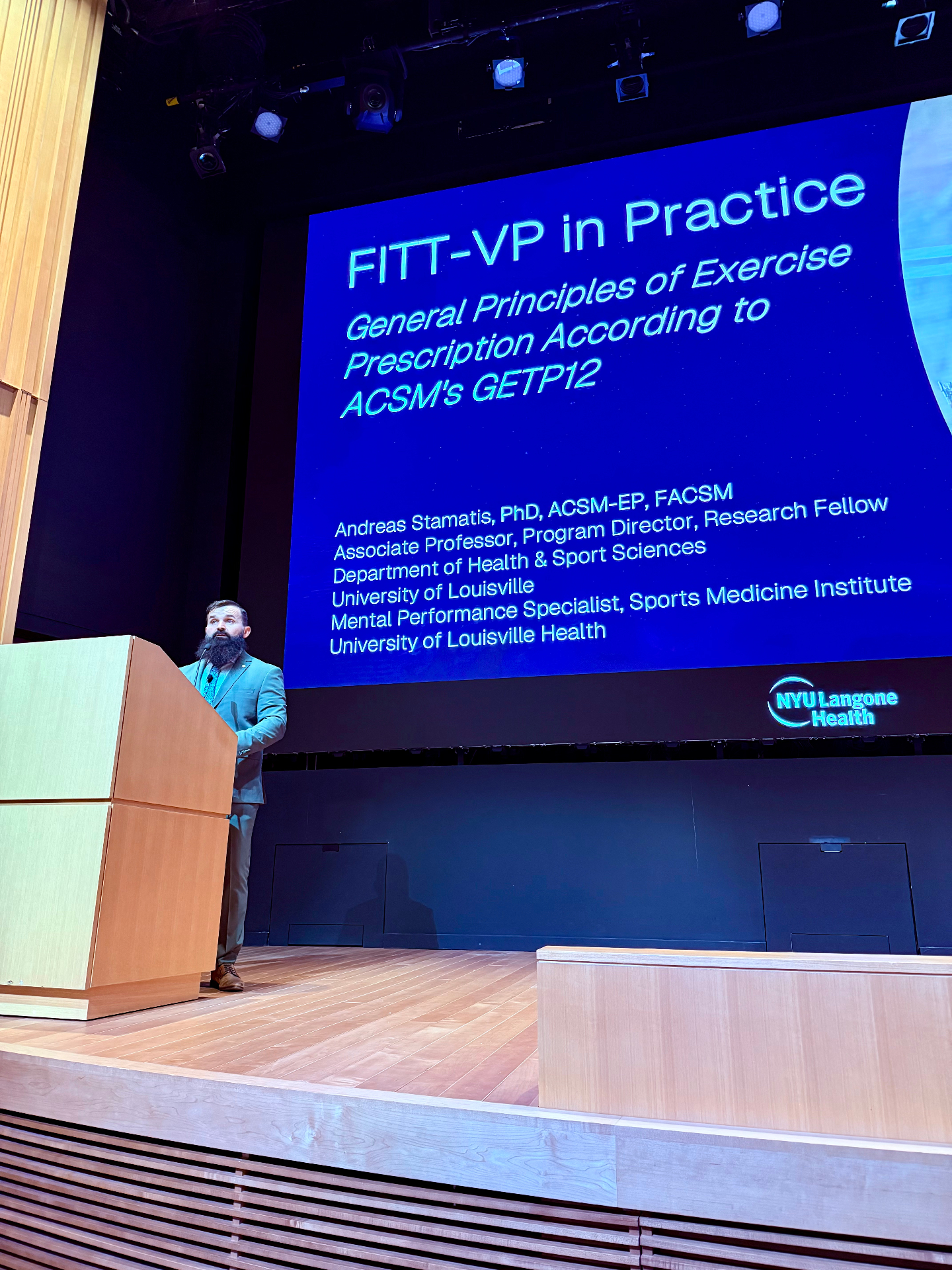
Research becomes most valuable when it improves practice and continues to evolve through conversation with the people doing the work.
Collaboration with coaches, clinicians, leaders, and organizations shapes what I study and how I communicate it. Speaking is one way those ideas are tested, refined, and shared.
If you are interested in collaboration, research partnerships, invited lectures, consulting, or applied projects, I would welcome the conversation.